

Understanding the “Birthday Blues”
Written by: Staff Therapist Amerah Muhammad, MHC-LP
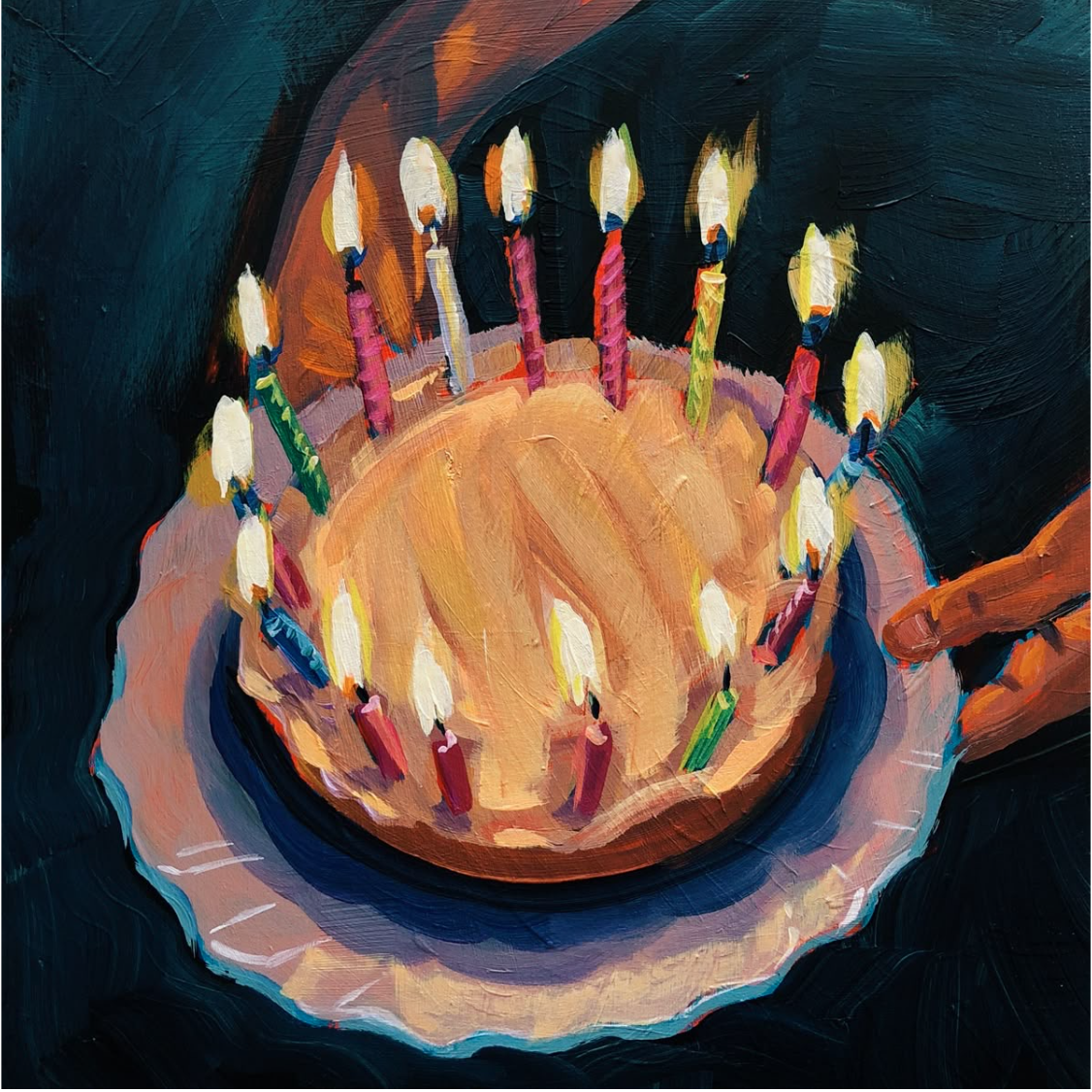
Once a year, there comes that time for all of us, where we collectively acknowledge and celebrate the day we came into this world. Often, this involves gatherings with family and friends, dinners or parties. There’s an underlying societal expectation that this day should be exciting, happy, or at least feel good. However, for many, this time can simultaneously be a period of grief, isolation, and anxiety. It is deeply confusing when these heavy emotions arise against a backdrop of mandatory joy. For some, the birthday blues stem from early childhood relational ruptures, which could include negative experiences like being chronically excluded, forgotten, or experienced feeling triggered by being the center of attention. When you have not had the support systems to feel celebrated in the past, it can be difficult to imagine being honored in the present. Around our birthdays especially, this can create a cyclical pattern of existential dread. Furthermore, America’s culture of intense commodification of holidays and media messaging forces an obligation of happiness and planning for this day. When negative emotions come up and people do show up for you, it can lead to secondary emotions like shame or self- judgment, as if you’re being ungrateful for others' contributions. We are taught to prioritize thankfulness, which does not always honor how we feel deep down. Isn’t it ironic that people-pleasing tendencies can hijack a day that is supposed to be sacredly our own? Birthdays prompt us to measure our self-growth against perceived stagnancy. People often ruminate on:
Comparison: Measuring our lives against the highlight reels of others.
Loss: Vividly recalling those we’ve lost to death or from conflict.
Lack of Achievement: Focusing on what we have not yet accomplished.
If you tend to navigate these feelings, please know that you are not alone. IBelow, I’ll be sharing a few suggestions for attuning to your needs and centering yourself during this transition.
Tips for Centering Self
Write a Letter to Yourself
Write a letter or journal about the lessons learned from the previous years and how you want to apply them. Specifically name areas where you feel you’ve grown and identify things you feel proud of yourself for. I would also suggest including a note to your future self, a message of grace for the person you are becoming.
Do What You Actually Want
This might seem obvious, but it becomes complicated when we feel the needs, accommodate the energy and expectation of those around us. We often take the onus off our true needs to make others feel comfortable. Conversely, you may fear that if you don’t plan something no one will show up. Ask yourself: “If there were no expectations or fears surrounding this day, what are some things that would bring me genuine peace, contentment, or joy?” Follow your own map of excitement and commit to it fully.
Mindful Manifestation
It might be the norm to light a candle in a room full of people to make a very rushed wish while friends and family are waiting for you to blow out the candle. Instead or in addition light a candle for yourself in private. Write or speak aloud the things you wish to bring into this new chapter of life. Describe them in detail. What does it look and feel like to have these things? Step into that feeling as if they are already yours.
It’s a powerful practice to ritualize the tips above. A year from now, it can feel healing to look back on how you felt to see how your internal landscapes have shifted for when your next trip around the sun arrives.
Remember: Your birthday belongs to you and that includes the right to feel exactly as you do.
~ Amerah