

Unexpected Lessons from the T-Ball Field
Written by: Owner & Founder Camille Lester-Riley LMHC LCPC
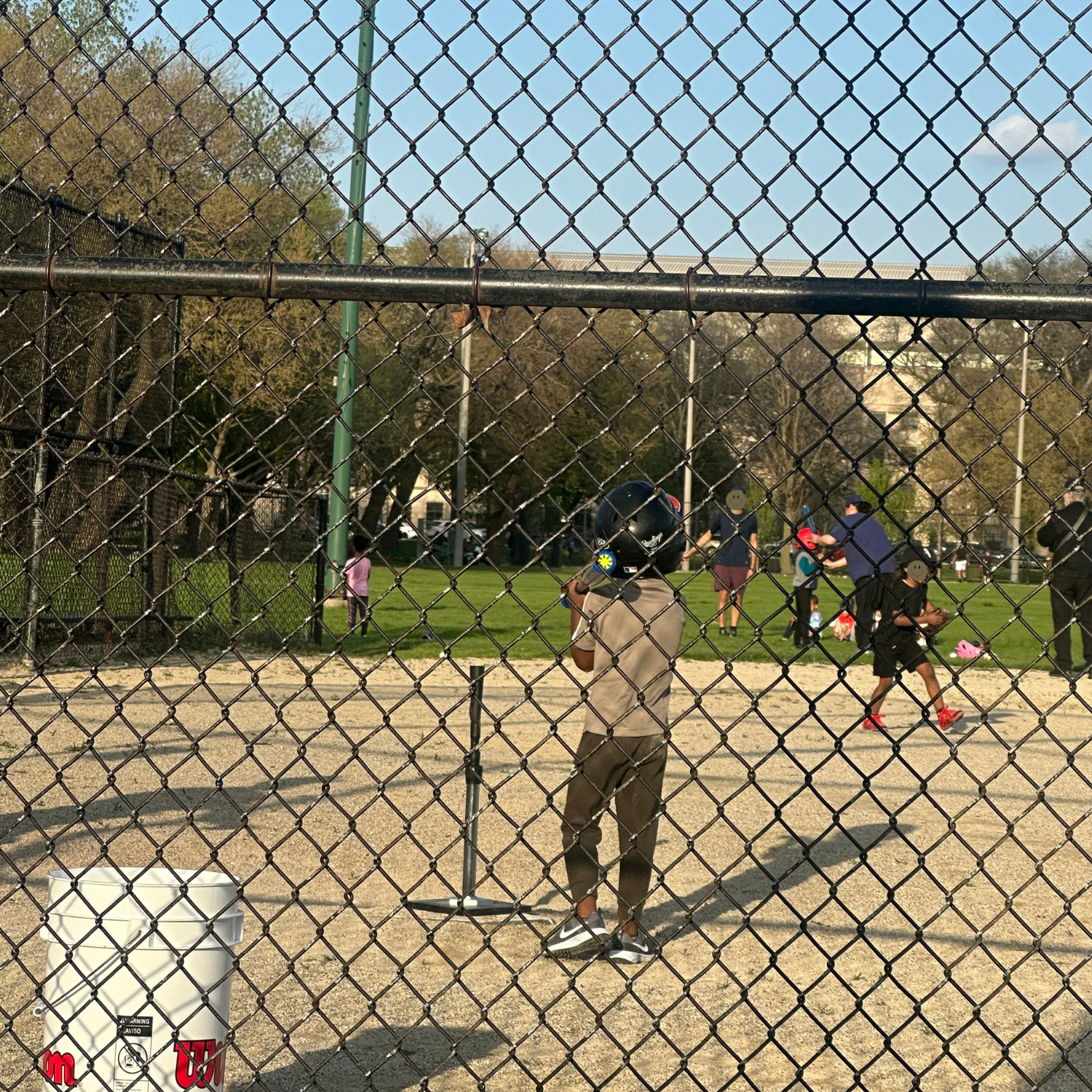
It's Spring, so we know what that means, TBALL season is upon us!! While I was at my sons second T-Ball practice, I watched as a dozen 4-5 year olds did their best to soak in learning a new sport, be modeled brand new skills, and try them out in real time. It was in the in-between moments, the balls flying above their heads, the bat swinging faster than their bodies could keep up, the falling down, the bumping into each other to catch the ball… that I realized the beautiful underbelly story that transcends the field; a story that we as adults still grapple with…The story of trying.
Here are some unexpected lessons from the field:
Dont be Afraid to be Seen Trying
Often times, the main hurdle that can hold us back when trying something new, going somewhere new, getting to know someone new is the fear of being perceived negatively. The internal dialogue often being “what if I mess up?” “what if they think I am weird?” “Do I sound strange?” “Does my voice seem off?” “Will they like me?” the real question being: am I enough? The fear of perception is one of the most common reasons one often holds themselves back from trying/doing/saying/experiencing something new. The hard truth is, we have absolutely zero control over what or how others make meaning of our actions. I often tell clients, there are about a million (or more) different perceptions of you floating around… from the moment you were born and you cooed at a stranger to now being an adult setting boundaries with your loved one. YES people have thoughts about us and NO we do not have any control and NO we cannot manage them. I challenge you to ask yourself, what is the worst thing that could happen if I try/say/do/experience this new ‘thing’? If that worst thing ever happened, can I manage to try again? From looking at the Tball field, the answer is absolutely. Do not be afraid to be seen trying!
Getting it Wrong is Apart of the Process
Don't be afraid to be seen trying, as getting it wrong is 100% a part of the process. All of us, no matter the activity or skill, have to start somewhere. I wish I could bottle up the untainted confidence of the 4-5 year olds on the field for all of us to tap into when needed. The point of practice is getting it wrong. Many of them were getting used to their new cleats, the feel of a heavy bat in their hand, focus on the ball, and hand-eye coordination to swing… all skills that are taught. All skills that take time to master. Getting it wrong allows the coaches to get down to their level and guide them to strengthen their skills and increase their confidence. I fear that we need to be perceived, we need to be seen trying, and most importantly… we need to be perceived trying and getting it wrong.
The Essential Feedback Loop of Vulnerability and Inner-Trust
It can often feel counterintuitive but there is a powerful relationship between softening into vulnerability and deepening ones trust and confidence. The more we allow ourselves to be perceived, to get it wrong, to keep trying… the more we strengthen our inner confidence and trust. The growing amount of confidence sets the stage for us to continue encountering challenging situations or opportunities for growth and trying again and again and again.
Village & Support in the Messy Bits
All of these points flow effortlessly into the other as building blocks. At the bedrock is the unwavering realty that village is a core gift. When we allow ourselves to be vulnerable, to get things wrong, and to be perceived as “not the best” or a “work in progress” we can allow ourselves to feel the plush cushion of village. In TBall its the reassuring feedback from the coach, the claps from the stands, the shouts from parents reaffirming, and for my 4 year old.. the catching each others eyes from across the big field, and both giving each other a smile and a thumbs up. When we keep ourselves “small” and beholden to our comfort friends/places/experiences we limit the ability to feel the warmth and care of others who love us; we give them the chance to bear witness to our journey and support us along the way. As adults, softening into village stretches our attachment wounds, the (learned) wisdom of “perfectionism,” and perhaps the preoccupation and faulty reward of being the ‘good kid.’
We can try something new. We can get it wrong (actually that's essential), we can relinquish control over how others perceive us, and feel the warmth of village as we journey up the path of… growth.
Wisdom from the TBall field. I hope you find something that resonates.
With care,
c